Guides › Engine Overheating: What to Check
Engine Overheating: What to Check
⚠️ Educational only — follow your service manual, use rated jack stands, and read our safety rules before you start.
Temperature gauge climbing? Here's how to stay safe and narrow down the cause from coolant to fan to thermostat.
⚠️ Safety first
- NEVER open a hot radiator or coolant cap. Pressurized coolant can cause severe burns — wait until the engine is cool to the touch.
- Electric cooling fans can start without the engine running. Keep hands clear or disconnect the battery.
- Coolant is toxic and sweet-tasting to pets — clean spills immediately.
- Continuing to drive an overheating engine can destroy it.
Tools & supplies
- Flashlight
- Coolant (type per manual)
- Funnel
- Infrared thermometer (optional)
🧰 Tools & parts needed / Recommended gear
Disclosure: links below are paid Amazon search links; as an Amazon Associate we earn from qualifying purchases, at no cost to you. Learn more.
- Infrared thermometer — Compares hose and radiator temps to spot a stuck thermostat or clog. view options (paid link)
- Spill-free coolant funnel — Burps air pockets out when refilling coolant. view options (paid link)
- Coolant (type per manual) — Correct coolant protects against overheating, freezing and corrosion. ⚠️ Toxic to pets and kids — clean spills; never open a hot cap. view options (paid link)
- Cooling system pressure tester — Finds slow leaks and weak radiator caps. view options (paid link)
- Safety glasses — Protects against hot coolant spray. view options (paid link)
Steps
- Pull over safely and shut the engine off if the gauge is in the red. Turning the heater on full hot can buy time in an emergency.
- Once cool, check the coolant reservoir level and look under the vehicle for puddles (green, orange, pink, or blue).
- Inspect hoses for cracks, soft spots, or wetness at clamps; check the radiator front for debris blocking airflow.
- With the engine idling and A/C on, confirm the electric fan(s) run. A non-running fan points to fuse, relay, sensor, or fan motor.
- Feel (carefully) or IR-measure the upper and lower radiator hoses after warm-up. A cold upper hose with a hot engine suggests a stuck thermostat.
- Check the drive belt for the water pump (if belt-driven).
- Boats: confirm the raw-water 'tell-tale' stream is flowing; a worn impeller is a top cause. Small engines: clear grass and debris from cooling fins.
🛑 When to call a pro
- White exhaust smoke, milky oil, or bubbles in the coolant (possible head gasket).
- Coolant loss with no visible leak.
- The engine overheated severely and now runs rough.
Printable checklist
WrenchReady — Engine Overheating: What to Check · Date: ________ Vehicle: ________________
Video walkthroughs
Third-party videos embedded from YouTube; not produced or endorsed by us. Always follow your service manual.
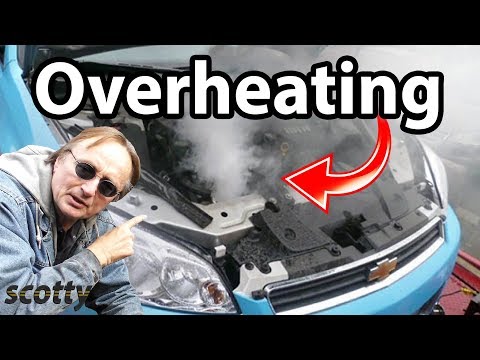
FAQ
Can I open the radiator cap when the engine is hot?
No. Never open a hot radiator or coolant cap — pressurized coolant can cause severe burns. Wait until the engine is cool to the touch.
Is it OK to keep driving an overheating engine?
No. Continuing to drive an overheating engine can destroy it. Pull over safely and shut the engine off if the gauge is in the red.
What are common causes of overheating?
Low coolant or leaks, cracked or soft hoses, debris blocking the radiator, a cooling fan that doesn't run, a stuck thermostat, or a water-pump drive belt problem. On boats, a worn raw-water impeller is a top cause.
When is overheating a sign of a bigger problem?
White exhaust smoke, milky oil, bubbles in the coolant, or coolant loss with no visible leak can indicate a head gasket problem. Have a professional diagnose it.
Related guides
Seasonal Car & Truck Maintenance Checklist
A printable spring/fall walk-around for cars and light trucks that catches problems early.
Beginner · 45 minguideOutboard Motor Winterization
Protect a 2- or 4-stroke outboard over the off-season: fuel, flushing, fogging, gear oil, and storage.
Beginner–Intermediate · 1–2 hrsReferences
- FuelEconomy.gov: Keeping Your Vehicle in Shape — U.S. DOE / EPA
Written by the WrenchReady team from general public knowledge. Specifications vary — your owner's/service manual is the authority.